

Why Private Practice Therapists Struggle to Get Found And What To Do About It
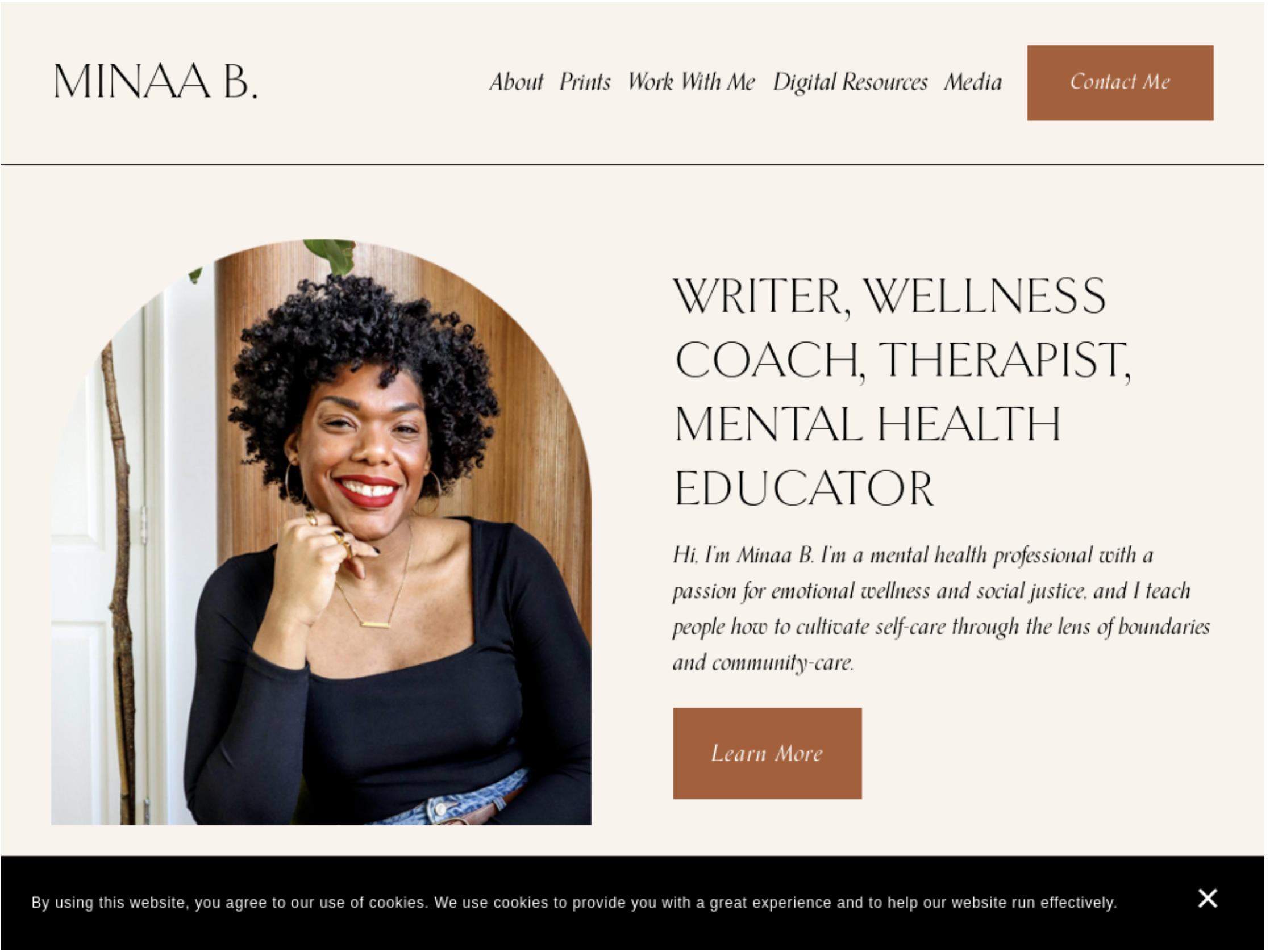
You know when you land on a website and immediately think,
"Yep, this is the one"
That's not an accident. That's a brand doing its job.
When someone is searching for a therapist, often scared, often doing it late at night, finally ready to ask for help, they're scanning for a feeling. The feeling that says: this person gets it. I'm in the right place.
Your brand is either creating that feeling or it isn't. And if it isn't, the right clients are passing you by. Not because you aren't the right fit, but because your personal brand isn't doing the selling for you.
What your brand needs to answer
Every private practice therapist's brand needs to answer three questions fast:
Who you are
What you offer
Why you're the right choice
When those three things are clear, the right clients don't hesitate. They book. When even one is muddy, confusion sets in. And confused people don't convert. Your potential clients are already overwhelmed. They need a clear reason why you're the right fit and one easy way to reach out.
4 things that help therapists attract more clients
1. A bio that sounds like a person, not a profile. Most therapist bios list credentials and modalities. That information matters, but it's not what makes someone book. Write directly to the person you most want to work with. Tell them what it's like to work with you. Give them a reason to feel like they found the right fit before they've even reached out.
2. A photo that matches your approach. Your headshot is doing more work than you think. It should feel like your practice feels. If you specialize in trauma-informed care, a warm and grounded photo lands differently than a corporate headshot. Match the visual to the experience.
3. Specific language about who you help. The practices that book fastest are the ones that are specific. Not "I work with individuals and couples" but "I work with Black women navigating burnout, grief, and the pressure of carrying everything alone." Specificity signals expertise. It tells the right person: this is for me.
4. One clear next step. If someone lands on your site and isn't sure what to do, you've lost them. One call to action. One easy way to reach out or book. That's it.
A quick gut check
Read your bio out loud. Does it sound like you, or like a resume?
Pull up your website like a first-time visitor. In 10 seconds, is it obvious who you help and what to do next?
Look at your headshot. Does it feel like the experience of working with you?
If any of those give you pause, that's where to start.
You built a practice worth finding. Your brand should make sure people can find it and know in an instant that they're in the right place.
If you need help figuring this out, I have something that can help.
The Brand Spectrum is a 90-minute session that gets your brand answering the right questions for the right people. You walk away with a written roadmap and a clear plan.
Frequently asked questions
Why aren't clients finding my private practice online?
Usually it comes down to one of three things: your website doesn't clearly communicate who you help, your messaging blends in with every other therapist in your niche, or there's no obvious next step for someone who wants to reach out. Most of the time it's not a visibility problem, it's a messaging problem.
What should a therapist website include to attract clients?|
The basics: a clear headline that speaks to your ideal client, a bio that sounds human, a headshot that feels warm and approachable, specific language about who you help and what they can expect, and one clear way to book or reach out. Those five things done well will outperform a beautiful site that says nothing specific.
How do I write a therapist bio that actually converts?
Start with your ideal client, not yourself. Open with something that makes them feel understood before you say a word about your credentials. Then tell them who you work with, what that experience is like, and what makes you different. Save your licensure and training for the end. The goal is for someone to read it and think: this person gets me.
Do I need a rebrand to start getting more therapy clients?
Not necessarily. Sometimes a few targeted changes — rewriting your bio, updating your photo, adding a clear call to action — make a significant difference. A Brand Spectrum session is a good way to get a clear picture of what's actually holding your brand back before investing in a full redesign.
Julie Garner is the founder of VidaHue Creative, a brand strategy and design studio based in Orlando. She helps private practitioners and service-based businesses build brands that attract the clients they're meant to serve.
P.S. If you read this and thought, "I don't even know if my brand reflects who I am"—that's your sign.
Book a Fit Call. Let's talk about it.