
Here's What's Trending in 2026 And Why It Doesn't Matter ..(Until You Know Your Story)
Trends change. Your story doesn't. Here's how to build a brand that evolves with you, not against you.
Every December, the internet explodes with trend forecasts.
Pinterest releases their annual predictions. Design blogs dissect color palettes. Instagram feeds flood with "2026 aesthetic" mood boards.
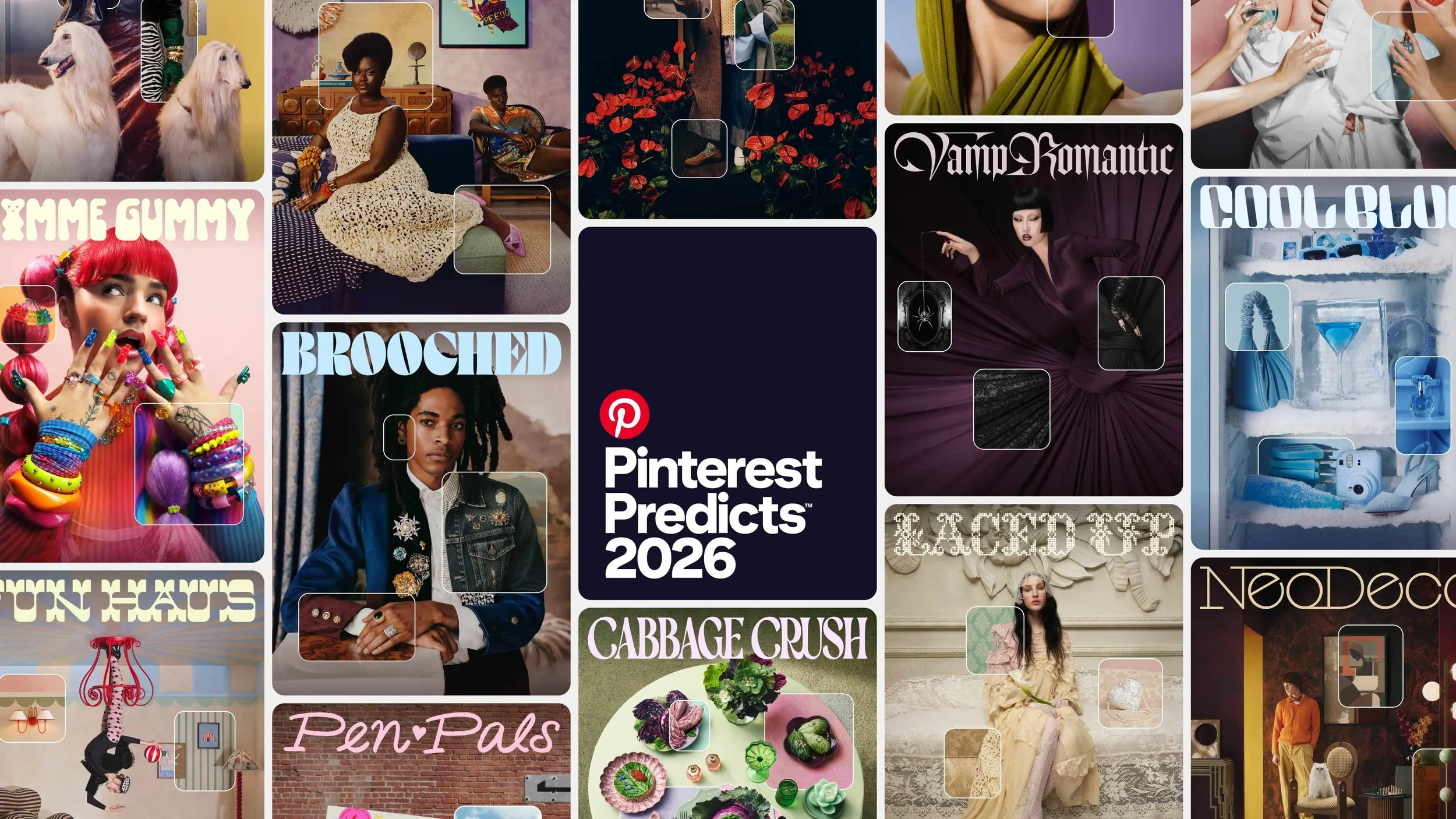
Cool Blue. Neo Deco. AfroHemian. Glamoratti. Opalescent everything. Maximalism. Minimalism 2.0.
And if you're a business owner trying to figure out your brand, it feels like another thing you're supposed to keep up with.
Should your wellness studio lean into Cool Blue because everyone says it's "the wellness color"? Should your boutique hotel rebrand with Neo Deco because luxury is "having a moment"? Should your photography business embrace maximalism so you don't look boring?
Here's what I want you to know:
Trends don't matter until you know your story.
Not your elevator pitch. Not your mission statement. Your actual story—who you serve, what you stand for, why you do this work, and how you want people to feel when they encounter your brand.
Once you have that? Trends become useful. They're research. They're insight into what your customers are already drawn to. They're creative fuel, not creative pressure.
But without that foundation? Trends are just noise. Let me show you what I mean.
What Pinterest 2026 Trends Actually Tell You (It's Not What You Think)
Pinterest Predicts isn't just a list of pretty aesthetics. It's data on human behavior.
Pinterest analyzes billions of searches, saves, and planning behaviors to identify what people are actively seeking—not what influencers are pushing or what brands are manufacturing.
And here's why that matters:
Your customers are already on Pinterest. They're already pinning. They're already drawn to certain aesthetics, colors, moods, and styles.
When Pinterest says "Cool Blue is trending," what they're really saying is: Millions of people are searching for, saving, and planning around calm, elevated, trust-building visuals.
When they say "Neo Deco is rising," they mean: People are craving craftsmanship, detail, permanence, and a sense of luxury that feels earned, not empty.
When they highlight "AfroHemian," they're showing: There's a cultural shift toward honoring heritage, embracing global perspectives, and celebrating diverse voices in design.
These aren't arbitrary trends. They're reflections of what people want to feel—and what they're seeking in the brands they choose. You can see real-time search data on the Pinterest Trends tool.
So the question isn't: Should I follow this trend?
The question is: Does this trend reflect what my customers are already looking for? And does it align with who I actually am?
Why Following Brand Trends Without Strategy Fails (Real Examples)
Here's what I see all the time:
A business owner sees a gorgeous aesthetic on Pinterest. It's fresh. It's everywhere. It feels like "the thing."
So they chase it.
They rebrand to match the trend. They redesign their website. They redo their Instagram aesthetic. They invest time, energy, money.
And six months later?
It doesn't feel like them anymore.
Because here's the truth: You can't build a lasting brand on borrowed aesthetics.
Trends work when they're expressed through your brand. They fail when they become your brand.
Let me give you some examples:
The Wellness Studio That Went Full Cool Blue
(And Lost Their Edge)
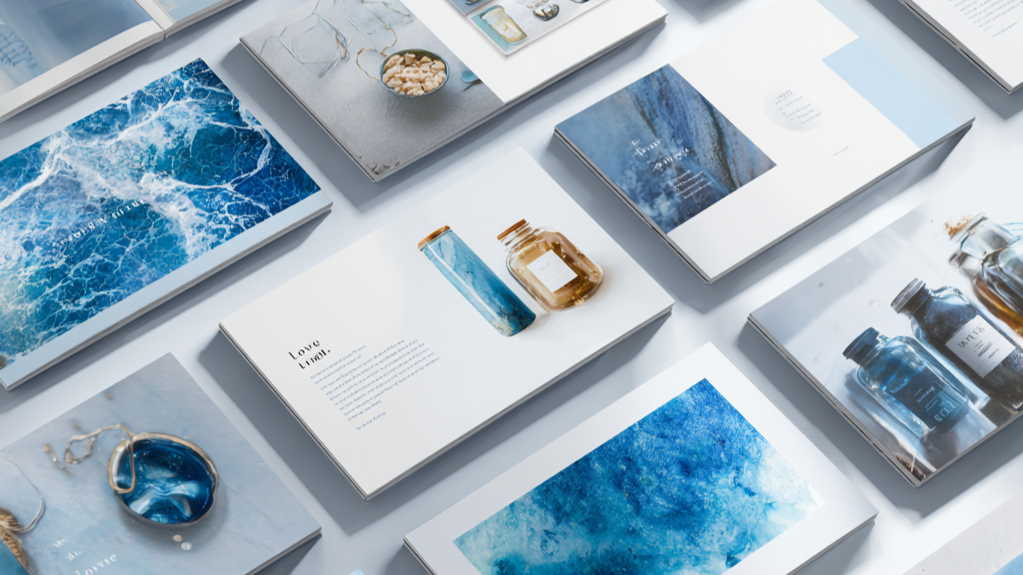
A boutique yoga studio saw that Cool Blue was "the wellness color" for 2026. So they rebranded everything—logo, website, social media, studio interiors—into icy blues and glacier tones.
It looked beautiful. Very zen. Very elevated.
But their clients? They missed the warmth. The studio had always been about community and energy—not clinical calm. The rebrand felt disconnected from the actual experience.
What went wrong: They followed the trend without asking if it reflected their brand's core promise.
What would've worked better: Keep their warm, energetic foundation (maybe terracotta, golden yellows, earthy greens) and accent with Cool Blue in strategic places—like their meditation room or certain service offerings. Honor the trend as insight (people want calm), but express it their way (calm within warmth, not sterile serenity).
The Boutique Hotel That Tried Neo Deco
(In the Wrong Market)
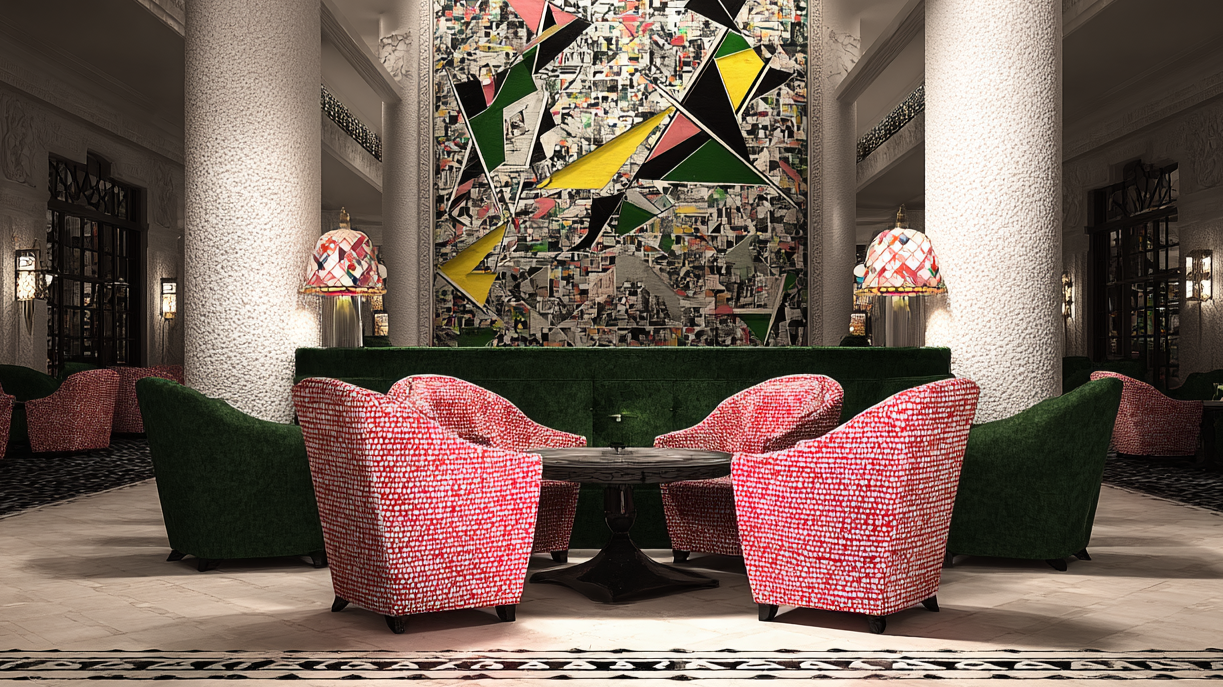
A small-town bed & breakfast saw Neo Deco trending—brass accents, geometric patterns, Art Deco glamour. They thought: "This is luxury. We want to feel luxurious."
So they went all in. Geometric logo. Jewel tones. Brass fixtures everywhere.
And it flopped.
Why? Because their guests weren't looking for "luxury." They were looking for cozy, nostalgic, small-town charm. The rebrand felt like they were trying to be something they weren't.
What went wrong: They applied a trend without considering their market, location, and what their customers actually wanted.
What would've worked better: Understand that "luxury" for a rural B&B looks different than luxury for a city hotel. Maybe it's about craftsmanship (hand-built furniture, locally sourced materials) instead of glamour. You can borrow the Neo Deco philosophy (attention to detail, permanence, quality) without copying the aesthetic.
The Service Provider Who Rebranded Every Year
(And Confused Everyone)
A photographer kept redesigning her brand to match whatever was trending. One year: dark and moody. Next year: bright and airy. Then: maximalist and bold.
Her work was great. But her brand? No one knew what to expect.
What went wrong: No core identity. Every trend was treated as a full rebrand instead of a seasonal expression.
What would've worked better: Build a timeless foundation (a clean wordmark logo, a signature style of photography, a consistent tone of voice) and let trends show up in how you market—not who you are. Your Instagram feed can shift with trends. Your core brand shouldn't.
Should You Follow Design Trends or Ignore Them? (The Real Answer)
No. Ignoring trends is just as short-sighted as blindly following them.
Because trends give you valuable insight into what your customers are drawn to.
If Cool Blue is trending and you're a wellness brand, that tells you: Your customers are craving calm, trust, and elevated simplicity. You don't have to rebrand in icy tones—but you should think about how your brand communicates those qualities.
If Neo Deco is rising and you're in luxury hospitality, that tells you: People want craftsmanship and detail. They're tired of sterile minimalism. You don't need brass everywhere—but you should consider where you can add richness, texture, permanence.
If AfroHemian is surging and you're a multicultural brand or you draw inspiration from global aesthetics, that tells you: There's an audience actively seeking brands that honor heritage and diverse perspectives. This isn't a trend to "borrow"—it's validation that your authentic voice has an audience.
Trends are research. Use them as insight, not instruction.
How to Use Brand Trends Strategically
(3-Step Framework)
Here's the framework I use with every client who asks about trends:
Step 1: Know Your Story First
Before you look at a single trend, answer these questions:
Who do I serve? (Not "everyone." Be specific. What's their life like? What do they care about? What are they looking for?)
What do I stand for? (What's non-negotiable about how you do business? What values guide every decision?)
How do I want people to feel when they encounter my brand? (Calm? Energized? Inspired? Trusted? Seen?)
What makes me different? (Not better. Different. What do you do/offer/believe that others in your space don't?)
If you can't answer these clearly, stop worrying about trends. Go get clarity first.
(This is exactly what The Brand Spectrum is designed to do—give you a clear, strategic answer to these questions so you're not guessing.)
Step 2: See If the Trend Reflects What Your Customers Already Want
Once you know your story, then look at trends and ask:
Does this trend align with what my customers are seeking?
For example:
You're a wellness business. Your customers want calm, clarity, trust. Cool Blue reflects that? Great. Consider it.
You're a rural property/hotel. Your customers want charm, nostalgia, warmth. Glamoratti (bold 80s maximalism) doesn't fit? Skip it.
You're a creative service provider. Your customers want to see your personality and style. Trends can show up in your marketing (social content, seasonal campaigns) without changing your core brand.
Trends work when they amplify what you already are—not when they ask you to be something you're not.
Step 3: Decide Where Trends Live in Your Brand
Here's the secret: You don't rebrand every time trends shift. You build a timeless core and let trends show up strategically.
Think of your brand in layers:
Layer 1: Core Identity (Timeless)
Your logo
Your brand colors (primary palette)
Your brand voice and messaging
Your values and positioning
This doesn't change with trends. This is built to last 5-10 years.
Layer 2: Brand Expression (Evolves)
Your marketing materials (brochures, social graphics, ads)
Seasonal campaigns
Your Instagram aesthetic
Photography style and mood
This can shift every 1-3 years to stay current.
Layer 3: Cultural Moments (Responsive)
Holiday campaigns
One-off collaborations
Event-specific branding
This changes all the time. Be playful here.
Example: How a Wellness Brand Uses Cool Blue Without Rebranding
Core Identity (Stays the same):
Logo: A simple, elegant wordmark in deep forest green (earthy, grounded, timeless)
Primary colors: Forest green, warm cream, soft terracotta
Brand voice: Calm, nurturing, evidence-based
Brand Expression (Updates with trend):
Add Cool Blue as an accent color in social graphics and seasonal campaigns
Use cool-toned photography for their "Rest & Restore" service line
Update website hero image to feature cooler tones while keeping brand colors intact
Result: The brand feels current and aligned with what customers are seeking (calm, elevated wellness) WITHOUT abandoning their core identity (earthy, grounded, warm).
The Brands That Win Don't Follow Trends, They Evolve With Intention
Here's what I've learned working with businesses across industries:
The brands people remember aren't the ones chasing every trend.
They're the ones who know exactly who they are—and express it in ways that feel alive, not static.
Look at major brands:
Nordstrom has had the same simple black wordmark logo for decades. But their marketing, store design, and campaigns? They evolve constantly.
Patagonia has stayed true to their environmental mission and outdoor aesthetic. But how they tell that story? It shifts with culture.
Airbnb has a timeless logo and brand philosophy ("belong anywhere"). But their visual campaigns? They adapt to reflect what travelers are seeking in each moment.
The formula is simple:
Build a core identity rooted in your story, values, and audience
Let trends inform how you express that identity
Evolve your marketing, not your foundation
What 2026 Trends Actually Mean for Your Business
So let's talk about the Pinterest 2026 trends—not as a checklist of aesthetics to copy, but as insight into what people are craving.
Cool Blue
What it means: People want calm, trust, clarity, elevated simplicity.
Who it's for: Wellness, healthcare, coaching, anyone in the transformation/clarity space.
How to use it: If your customers are seeking peace and trust, Cool Blue supports that. Use it as an accent, a photography mood, a seasonal palette—not necessarily your entire rebrand.
Neo Deco
What it means: People are craving craftsmanship, detail, permanence, and luxury that feels earned.
Who it's for: Hospitality, high-end services, boutique products, anyone positioning as premium.
How to use it: You don't need to go full Art Deco. But think about where you can add richness—in materials, in details, in the care you show. Neo Deco is about quality, not just style.
AfroHemian
What it means: Cultural pride, global perspectives, artisan craftsmanship, honoring heritage.
Who it's for: Multicultural brands, businesses rooted in cultural identity, ethical/handmade products.
How to use it: This isn't a trend to "borrow"—it's a movement toward authenticity. If this reflects your story, lean in fully. If it doesn't, don't appropriate it for aesthetics.
Glamoratti
What it means: Boldness, confidence, unapologetic self-expression, "more is more."
Who it's for: Personality-driven brands, fashion, creative agencies, anyone who refuses to blend in.
How to use it: This only works if you're willing to be polarizing. If your brand thrives on big energy and bold opinions, this is your moment. If you value approachability and ease, skip it.
Extra Celestial (Opalescent, Futuristic)
What it means: People are drawn to the otherworldly, the iridescent, the softly surreal.
Who it's for: Beauty, wellness, tech, innovation-focused brands.
How to use it: Think about how you can add a sense of magic or possibility to your brand. This doesn't mean going full sci-fi—it means creating moments of wonder.
The Real Question Isn't "What's Trending?"
The real question is:
Who am I? Who do I serve? And how do I want to show up in the world?
Answer that, and trends become tools—not distractions.
You'll know immediately which trends reflect your customers' desires and which ones are just noise.
You'll build a brand that can evolve without losing itself.
You'll stop second-guessing every aesthetic choice and start trusting your strategy.
And that's when your brand starts working for you instead of against you.
If You're Still Not Sure Where You Stand...
Here's the truth:
Most businesses don't struggle with trends. They struggle with clarity.
They don't know if their brand reflects who they are because they've never taken the time to define it clearly.
They're not sure if they should rebrand because they don't have a strategic framework to evaluate against.
They're stuck in decision paralysis—not because they lack options, but because they lack a clear perspective.
That's exactly what The Brand Spectrum is designed to solve.
It's a 90-minute clarity session where we dig into:
What's actually working in your brand (and what's working against you)
Who you serve, what you stand for, and how you want to be perceived
Whether you need a full rebrand, a refresh, or just strategic tweaks
How to build a brand that evolves with you—not one that needs to be rebuilt every time trends shift
You'll walk away with your personalized Brand Spectrum Guide—a roadmap that shows you exactly where to focus, what to change, and how to move forward with confidence.
Because trends will keep changing. Your customers' needs will evolve. The market will shift.
But when you know your story? You can navigate all of it without losing yourself.
Ready to stop chasing trends and start building something that lasts?
→ Book a 15-Minute Fit Call – Let's see if we're aligned
→ Learn About The Brand Spectrum – Get clarity before you rebrand
→ Explore all brand design services and packages here.
✨ Julie
Founder, VidaHue Creative
Brand Designer | Clarity Seeker | Believer in Strategy Over Trends
P.S. If you read this and thought, "I don't even know if my brand reflects who I am anymore"—that's your sign. Book a Fit Call. Let's talk about it